A lot of founders in recent times show up to their first branding conversation with an AI-generated logo and nothing else. Brand strategist Mohammed Hassan’s answer isn’t “spend more.” It’s “spend the right amount for where you actually are.”
Do early-stage startups actually need to invest in branding?
Yes, but “invest” doesn’t mean “spend big.” Hassan is direct about this on Episode 1 of Camels vs Unicorns: branding is crucial at every stage, but the scale of the exercise should match the scale of the business. A two-person startup with one simple product doesn’t need the same branding process as a funded company managing multiple product lines.
How much should a startup spend on branding, based on budget?
Hassan’s framework is scaled directly to what a founder actually has to spend:
- $0 budget: Find a friend of a friend who’s a brand strategist and work out a deal. It could be equity, a favor, or a trade, rather than walking away with no brand direction at all.
- A modest budget (a few hundred to a few thousand dollars): Spend what you have on a basic, focused exercise – audience, name, logo, core messaging – nothing more elaborate than the business currently needs.
- A serious budget (tens of thousands and up): Bring in a more experienced brand strategist and go deeper – full brand identity, positioning, and messaging built to scale with the company.
- A corporate budget (six or seven figures): Spend accordingly, with a full agency engagement and a brand architecture built for multiple product lines or sub-brands.
As Hassan puts it: “If your budget is a million dollars, spend a million.” The size of the spend should follow the size of the business, not the other way around.
How long should a branding discovery session actually take?
Anywhere from one hour to one week, depending on what’s being built. A very simple product with a narrow, easy-to-define audience might only need a single, quick discovery session. A larger company with multiple audience segments and a more complex product can justify a much longer process, up to a full week of discovery work before any logo gets designed.

The mistake most startup founders end up making isn’t spending too little time on branding at the earliest stage, it’s skipping the basic discovery questions altogether and jumping straight to a logo.
When should a startup rebrand?
The clearest signal is a mismatch between how the brand looks and what the business has actually become. Hassan describes it as still wearing “the mask of how it was when it was just two people and one product” long after the company has outgrown that stage. When a startup reaches that point, particularly one managing multiple products or lines, it may need more than a refresh: a full brand architecture, with a main brand and defined sub-brands underneath it.
What should founders actually get out of a basic branding exercise?
At minimum, clarity on the audience and their pain points, not necessarily a polished visual identity. Hassan’s example is a Shariah-compliant fintech startup targeting a technical audience in Pakistan: the wrong branding move would be soft colors and decorative script, because that visual language doesn’t match a technically minded audience that relates to the UX/UI conventions and tone it already knows.

The basic questions (who’s the audience, what’s the pain point, how do they talk) determine the visual direction far more than personal taste does.
The bottom line
There’s no universal branding budget. The right spend is whatever matches your current stage which could be a solo founder finding a friend willing to help, a small startup doing a focused one-hour session, or a funded company running a full week of discovery work.
What stays constant at every budget level is the same starting question: who is this actually for, and what do they need to hear?
Once you’ve locked in your budget and direction, the harder branding question is often how explicit that identity should be. Check out should your Muslim startup’s brand be Islamic or neutral? for that.
And for the broader philosophy behind spending lean and building for survival, see HASAN.VC’s Camel Manifesto.
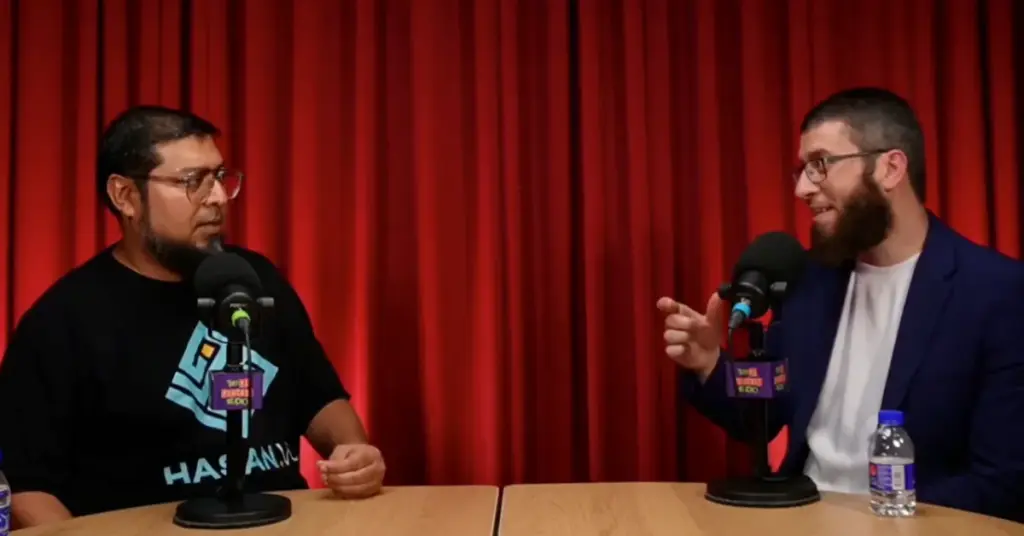
This is one idea from a much wider conversation, watch the full episode above for Mohammed Hassan’s take on Islamic design principles, personal branding, and how AI is changing the creative industry.
Camels vs Unicorns, hosted by Umar Munshi, features conversations with founders and investors building profitable, values-driven businesses across fintech, AI, and impact investing, proving that sustainable growth is the way forward. Subscribe to listen today.
Stay ahead of the queue by joining our mailing list for latest updates on events and investment opportunities.